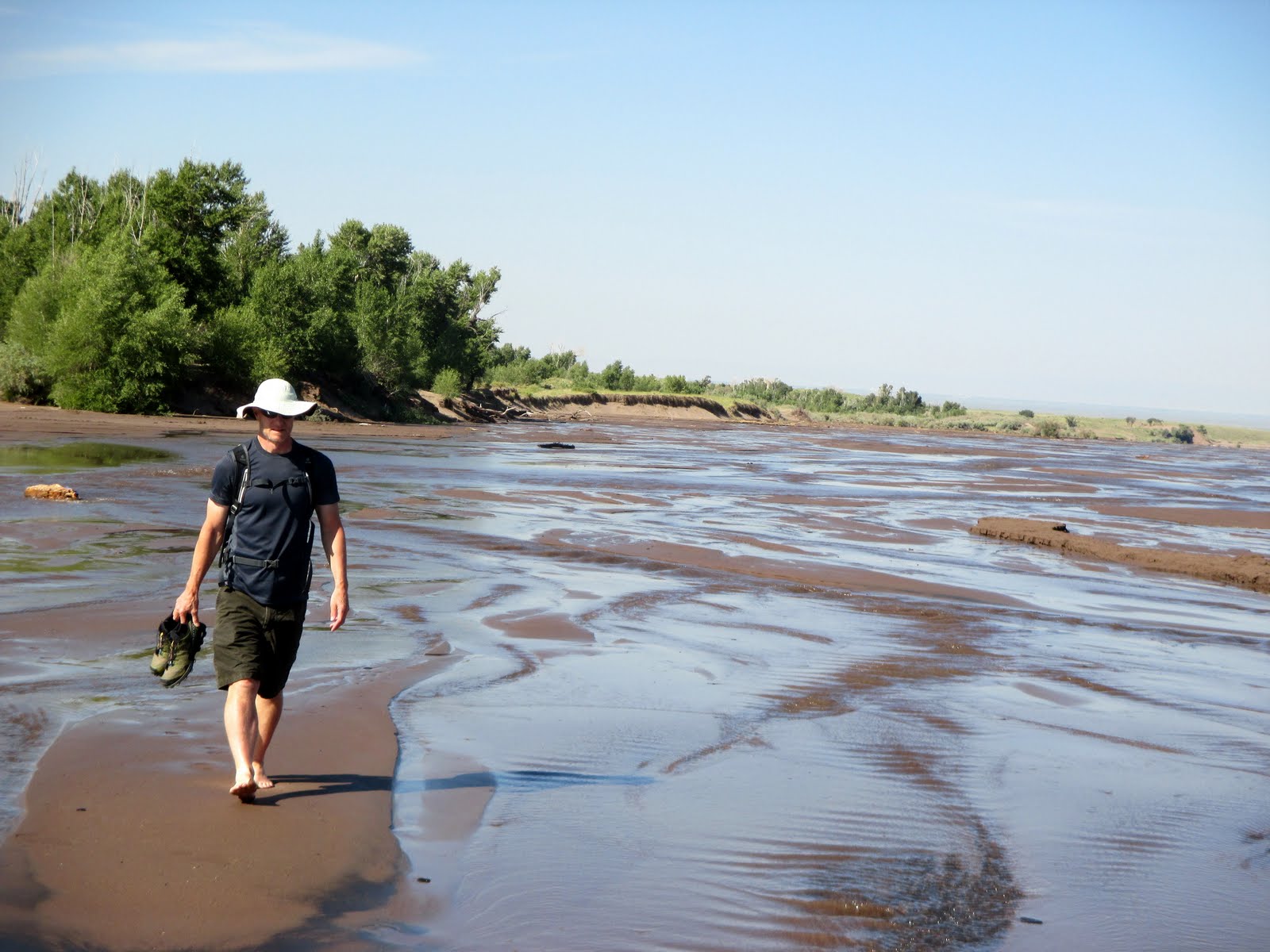
One place that has been on my to-do list for years is Death Valley in southern California. The distance from Salt Lake City makes it a bit difficult for a quick getaway, but the long MLK holiday weekend (made even longer by some vacation time) proved perfect for a desert escape away from snowy Utah.
New adventure buddy Zach and I left Salt Lake on Friday afternoon and headed to Las Vegas for the night. A few more hours on the road Saturday morning brought us to Death Valley and 60 degree temperatures. The sunshine, mild temperatures, and clear blue skies made winter feel like a distant memory almost instantly. We decided to spend one night car camping in a less-than fabulous campsite to allow us an afternoon to explore some of the more accessible sights in the valley.
Our first stop was Mesquite Flat sand dunes near Stovepipe Wells. It was like a trip to the beach minus the ocean with lots of sunshine and springtime temperatures. The white sand against of backdrop of scorched black mountains was dramatic and made for some great picture taking.

Mesquite Flat Sand Dunes

Mesquite Flat Sand Dunes

Mesquite Flat Sand Dunes

Mesquite Flat Sand Dunes

Zach
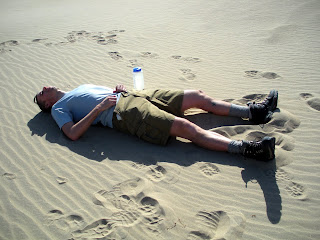
Enjoying the sunshine and warmth
Later in the day we headed north through the valley to reach Ubehebe volcanic crater. So much of Death Valley is vegetation-free that it almost feels like an alien planet - the landscape is more barren than any place I have ever seen.

Ubehebe volcanic crater

Near Ubehebe volcanic crater

Little Hebe volcanic crater
It's a rare treat to have an absolutely perfect night for camping. The comfortable temperatures and clear skies made for some great star gazing, and car camping allowed us to have a fantastic meal and some tasty beer.

Pink sunset
Before heading into the backcountry for a couple of days, we decided to spend Sunday morning hiking into Mosaic Canyon. A portion of the canyon was similar to the slot canyons of southern Utah except the canyon walls were made of marble instead of redrock sandstone.

Mosaic Canyon

Mosaic Canyon

Mosaic Canyon
We spent two nights in the backcountry exploring Indian Pass, a deep canyon cutting into the mountains east of Death Valley. We had some difficulties navigating from the road to the canyon because there are no trails in the backcountry and it's nearly impossible to visualize the landscape when you are walking up a wash that meanders all over the place. Once we arrived at the mouth of the canyon we had a much easier time staying on track. We hiked a few miles up the canyon before setting up camp for the night and enjoyed another comfortable evening under the stars.

Trying to find our way to Indian Pass

On the way to Indian Pass

Topo map user error - wrong wash

We finally made it into Indian Pass

Sunset in Indian Pass
The most interesting thing about Indian Pass is the presence of a few natural springs that supply a few spots in the canyon with fresh water. Water is the last thing you expect to see in the middle of Death Valley.

Fresh water in Indian Pass

Fresh water in Indian Pass

The cactus requests that you avoid touching it
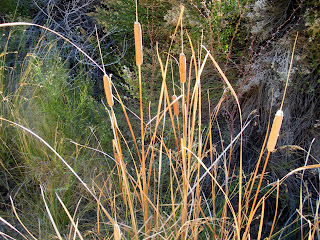
Cattails in the desert - such a contradiction!
We camped just outside of Indian Pass on the second night in the backcountry. The spot was perfect with views up into the canyon and down into the valley. The warm days and mild nights in the middle of January made me wonder what July must feel like in Death Valley.

Nearly full moon

Loving the January weather in Death Valley
Before leaving Death Valley, we had to make a stop at Badwater Basin - the lowest point in North America.

Badwater Basin

Badwater Basin - salt water

Telescope Peak from Badwater Basin
Our last stop was Zabriskie Point on the way out of Death Valley. This is probably the most scenic lookout in the entire valley and it was a great way to finish our trip. Zach and I both agreed that a return trip to Death Valley is a must - the national park is huge and we only saw a fraction of what the valley has to offer.

Zabriskie Point

Zabriskie Point

Zabriskie Point